First of all, we must understand that the idea of patron saints or protectors is not fixed or predetermined. Over time, people have seen that certain saints have helped, either during their life or after death, in a certain area of interest and, therefore, based on this experience, people again seek the help of that saint.
Thus, we have the Holy Unmercenary Healers who are about twenty, having Saint Panteleimon as the first among them; Saint Menas who finds everything which is lost; Saint Nicholas, the protector of those who travel by sea; and Saint Christopher, the protector of those who travel by land.
The field in which the saints help is not necessarily related to their field of activity, as in the case of the Holy Unmercenary Healers. For example, in the case of Saint Menas, we have no information that he would have taken care of finding things for as long as he lived. Saint Menas was a soldier—but we know he does countless wonders by finding a lot of lost things for those who pray to him.
Another category of patron saints are those who are bound in a certain way to us. They are: the saint of one’s name, the saints of the day (there are usually more), and the patron saints of the place: of the family, of the city, of the nation. For example, Thessaloniki has Saint Demetrios as the patron saint and Romania, Russia, and Scotland have Saint Andrew. The absolute record of the protected countries is held by, of course, Saint George.
Beyond that, one factor is a person’s personal pious feeling towards a saint. If we feel that we have a particular godliness towards a certain saint, this comes from the saint himself who wants to help us and, for this reason, he sends us this feeling which, if we wish, we can use it and pray to him. Of course, the first cases here are the Mother of God and Saint John the Baptist.
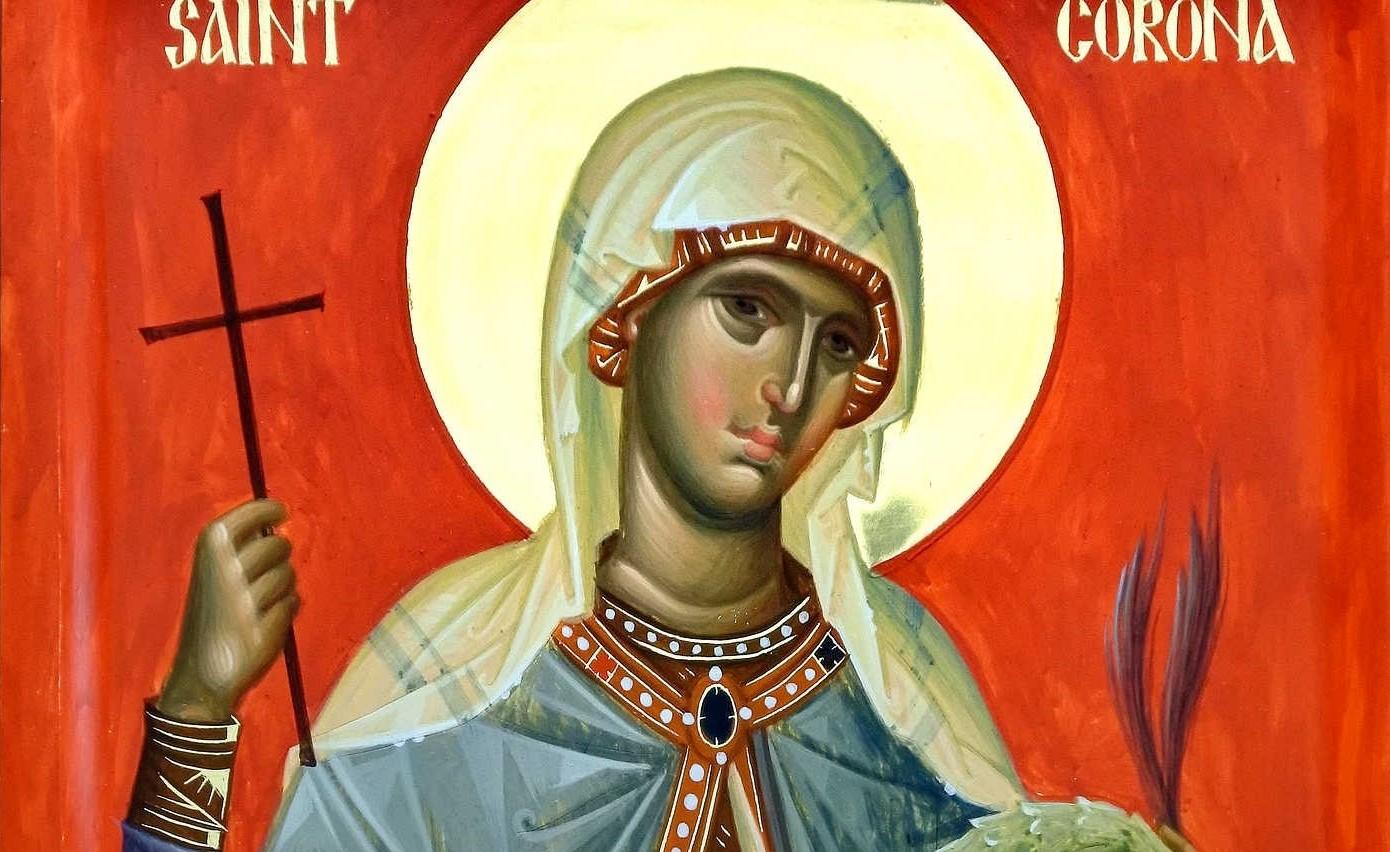
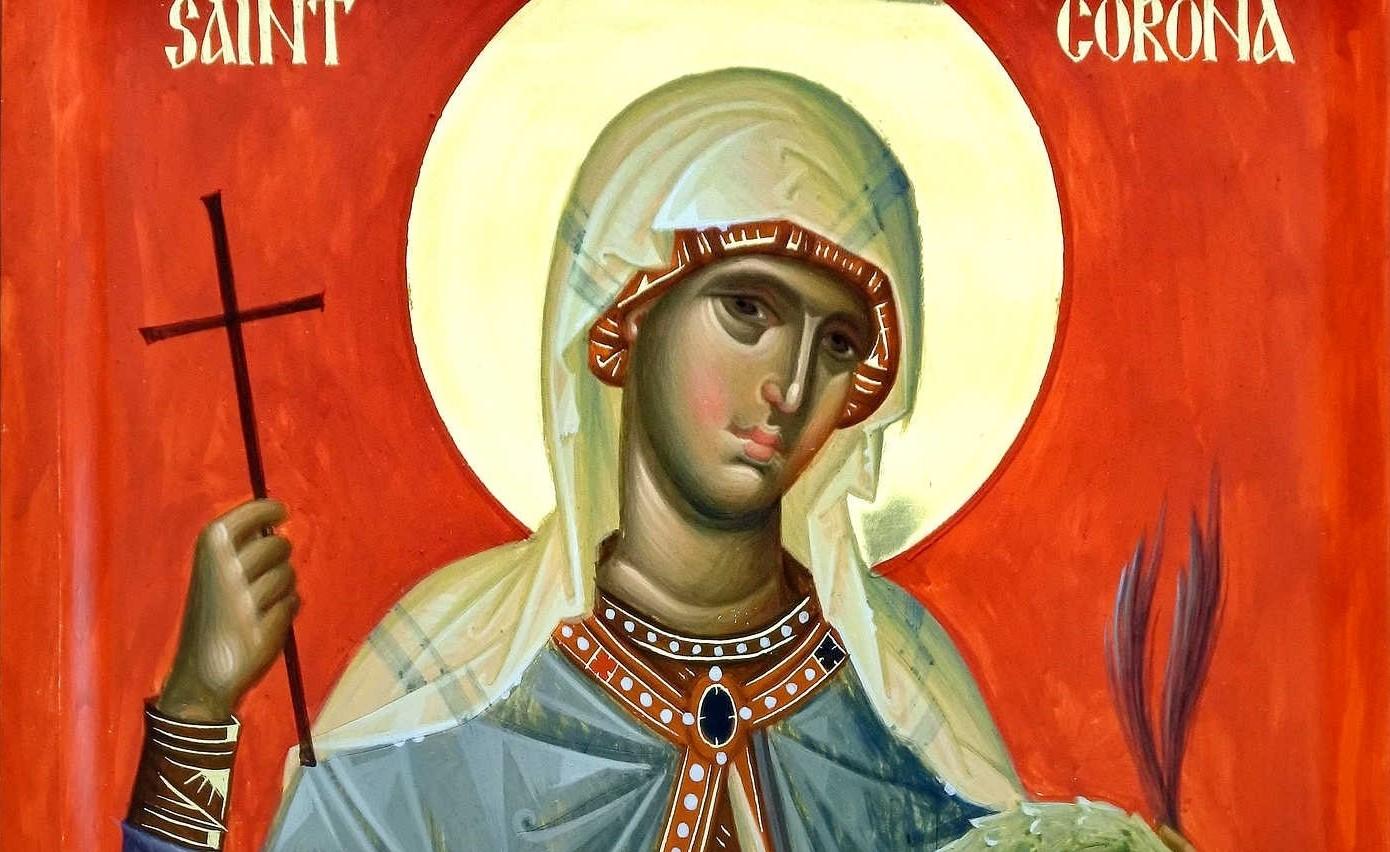
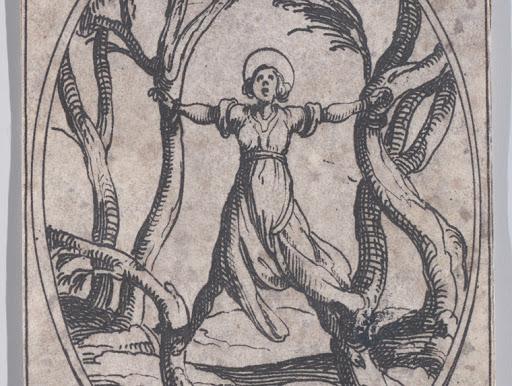
In the case of pandemics, we have Saint Haralambos, Saint Nikephoros the Leper (who is already very famous), and, more recently, Saint Corona, to whom many people today pray against the outbreak of the pandemic. Saint Corona, known in Orthodoxy under the Greek variant of her name, Saint Stephanida or Stephanie, would have lived in the second century, being martyred with Saint Victor in the present territory of Syria, during Marcus Aurelius. Corona, who was only 16, was arrested for trying to encourage Victor, the tortured Roman soldier, because he was a Christian. The life of the saint notes that she was tied between two palm trees and torn at the moment the tree trunks were released.
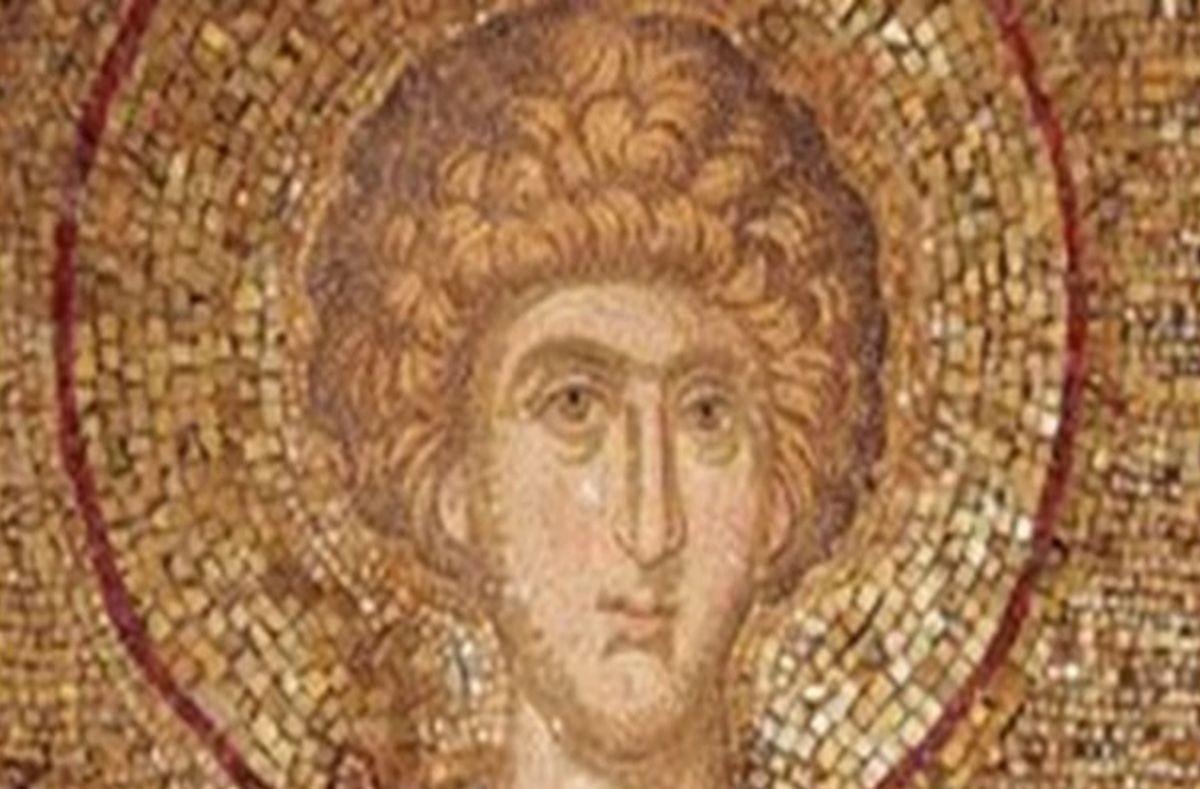
The saint celebrates on November 11, together with Saint Menas (mentioned above), Victor and Vincent.
If anyone has godliness and wants to pray to the saints on November 11, the troop of saints is (plagal of the 4th tone) the following:
As godly-minded athletes and Martyrs who strove for piety, the Church doth honour and glorify this day the godly contests and travails of Menas the prizewinner, noble Victor, brave Vincent, and valiant Stephanie, and lovingly doth cry out and glorify Christ, the Friend of man.
Of Saint Nikephoros the Leper (on 1st tone):
O venerable father Nicephoros the Leper, your struggles and courageous asceticism dumbfounded heaven's angels. Like another Job in pain, you did endure and gave glory to God. And so, for you, He arranged a resplendent crown of miracles. Rejoice, O guide of monastics! Rejoice, O prism of light! Rejoice, O delightful fragrance radiating from your relics!
And of Saint Charalambos (on 4th tone) is:
O wise Charalambos, you were proven an unshakable pillar of the Church of Christ; an ever-shining lamp of the universe. You shone in the world by your martyrdom. You delivered us from the moonless night of idolatry O blessed one. Wherefore, boldly intercede to Christ that we may be saved.
Αγία Κορώνα: Η αγία για τις πανδημίες σαν του κορονοϊού. Ίσως να ακούγεται παράξενο αλλά φαίνεται πως υπάρχει Αγία για τις πανδημίες ,σαν και αυτή του κορονοϊού και λέγεται Αγία Κορώνα.
Όπως διαβάσαμε στην Καθημερινή σε ρεπορτάζ του Σταύρου Τζίμα στο αγιολόγιο της Ρωμαιοκαθολικής Εκκλησίας υπάρχει η Αγία Κορώνα η οποία είναι προστάτιδα των επιδημιών και γιορτάζει στις 14 Μαΐου. Στο ορθόδοξο εορτολόγιο καταγράφεται ως Αγία Στεφανίδα και τιμάται στην Ορθόδοξη εκκλησία στις 11 Νοεμβρίου. Μαζί με τους μάρτυρες Μηνά, Βίκτωρα και Βικέντιο.
Εως ότου ενσκήψει η επιδημία του κορωνοϊού, η Αγία Κορώνα/ Στεφανίδα, με πλήθος παρεκκλησίων από την εποχή του Μεσαίωνα στην Κεντρική Ευρώπη και ειδικά στη Βαυαρία και στην Αυστρία, τελούσε μάλλον σε αχρηστία. Αφού για τελευταία φορά που παρακλήθηκε υπέρ προστασίας των πιστών ήταν η ισπανική γρίπη του 1916.
Τώρα οι άνθρωποι καταφεύγουν και πάλι στα ανα τα δάση εκκλησάκια της, επιζητώντας την άνωθεν σωτηρία. Μεταξύ των πρώτων που έσπευσαν να απευθύνουν έκκληση στην Αγία Κορώνα του Μονάχου με την εμφάνιση της πανδημίας ήταν δυο ορθόδοξοι ιερείς, οι Γιώργος Βλέτσης και Απόστολος Μαλαμούσης.
Σύμφωνα με την θρησκευτική παράδοση η Αγία Κορώνα η Στεφανίδα όπως αναφέρετα στο Ορθόδοξο Συναξάριο, ήταν γυναίκα στρατιωτικού και έζησε στα μέσα του 2ου αιώνα μετά Χριστόν, πιθανότητα στη σημερινή Συρία. Χρήσα ούσα παρέστη στο μαρτύριο του Αγίου Βίκτωρα, τον οποίο προέτρεπε και ενθάρρυνε να υποστεί με θάρρος το μαρτύριο.
Το γεγονός αυτό προκάλεσε τους ειδωλολάτρες που την συνέλαβαν και την οδήγησαν στον ηγεμόνα και αφού εκεί ομολόγησε τη πίστη της στον Χριστό, της έδεσαν τα χέρια στις κορυφές δυο δέντρων που με τη βία λύγισαν. Ακολούθως άφησαν ελεύθερες τις κορυφές των δέντρων που επανήλθαν στην αρχική θέση τους, σχίζοντας το σώμα της μάρτυρος σε δυο μέρη.